Skip to content
0

Nature Recovery Action Plan

Nature Recovery Action Plan Wales – the Biodiversity Strategy for Wales

Nature Recovery Action Plan 2026

The new Nature Recovery Action Plan for Wales was published on 27 March 2026. It aligns with international and national frameworks including the Global Biodiversity Framework and the new Environment (Principles, Governance and Biodiversity Targets) (Wales) Bill (the Bill) and is designed to drive action for sustained and long-term action to deliver the transformative change needed to address the Nature and Climate emergencies.

A key part of the refreshed NRAP is the introduction of six aims designed to guide coordinated action across government, public bodies and communities. These aims replace the six objectives set out in the 2015 NRAP but there will be a transition period as many of you will have used these objectives in your current section 6 plans and reports.

Nature recovery action plan 2026

Nature Recovery Action Plan 2015

The national Nature Recovery Action Plan (NRAP) was first published in 2015 and consists of Part I (Our Strategy for Nature) and Part II (Our Action Plan). It is an all-Wales plan for everybody involved in biodiversity action in Wales. Part II has been refreshed for 2020-21 following input from a range of stakeholders.

A number of objectives have been identified to address the issues that are driving the decline in biodiversity, and to support recovery:

  • Engage and support participation and understanding to embed biodiversity throughout decision making at all levels;
  • Safeguard species and habitats of principal importance and improve their management. Including the requirement on Welsh Ministers to prepare and publish a list of the living organisms and types of habitat which are of principal importance for the purpose of maintaining and enhancing biodiversity in Wales;
  • Increase the resilience of our natural environment by restoring degraded habitats and habitat creation;
  • Tackle key pressures on species and habitats;
  • Improve our evidence, understanding and monitoring; and,
  • Put in place a framework of governance and support for delivery

Nature Recovery Action Plan Implementation Group

The Nature Recovery Action Plan Implementation Group (IG) is the main stakeholder group for the NRAP and has a wide range of membership from Welsh Government, Natural Resources Wales, JNCC, environmental Non-Governmental Organisations, the farming sector and other public and private sector organisations. The IG’s role is to steer and prioritise key actions to deliver the NRAP and to reverse the decline in biodiversity in Wales, taking a collaborative approach. The group typically meets three times a year.

A series of groups take forward specific tasks and priorities set by the NRAP Implementation Group. These currently include:

  • Biodiversity and Ecosystem Evidence and Research Needs Programme
  • Ecosystem Resilience and Restoration Group
  • Planning and Biodiversity Forum
  • Section 6 guidance Group
  • Section 7 group (an internal NRW group taking forward the development of the list criteria)
  • WBP Conference Group
  • WBP Invasive Non-native Species Group

Life Welsh Raised Bogs

The LIFE Welsh Raised Bogs project is the first national restoration programme for raised bogs and for any peatland habitat in Wales.The 4-year pioneering and ambitious project aims to restore seven of the very best examples of raised bogs in Wales. Almost 4 square miles (over 900 hectares) will be restored to a better condition. This represents 50% of this habitat in Wales and 5% in the UK.

The sites have suffered due to poor wetland management in the past and this has caused invasive plants to take over, and crowd out important plants like sphagnum mosses. Plants like sphagnum mosses help to keep the peat boggy and wet and store carbon, helping us fight climate change. This project will look at new innovative ways of working to really make a difference and restore the seven raised bog SACs in Wales.

Raised bogs provide multiple benefits to the environment, wildlife, and people. They are home to rare plants and wildlife, they store carbon from the atmosphere, can store and purify water and they also provide a fascinating insight into our environmental history. They are also great places for people to visit and enjoy nature at its best.

The seven sites within the project are:

Cors Caron, TregaronCors Fochno, Borth, AberystwythCors Goch, TrawsfynyddRhos Goch, Builth WellsWaun Ddu, CrickhowellCernydd Carmel, CrosshandsEsgyrn Bottom, Fishguard

For more information about the project visit the NRW website
Multi-million-pound projects to conserve Welsh rivers and bogs

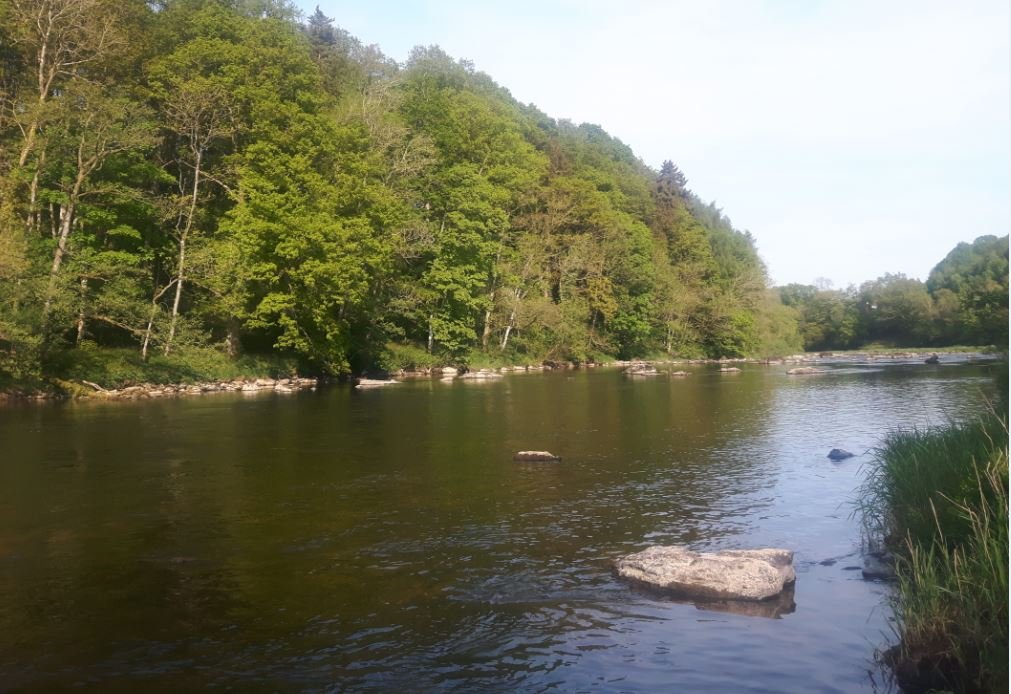
Two major projects have been given the green light to protect, enhance and help restore nature and the environment in Wales – great news to help tackle the Nature Emergency.

These projects, supported through the EU’s LIFE Programme and match funded by the Welsh Government, will ensure that the £13.8 million cash injection will breathe new life into urgent conservation challenges over the next five years.More than nine million pounds will be invested into bringing four Welsh rivers into good condition – the Teifi, Cleddau, Tywi and Usk. An estimated 500km of river will be improved.Just over £4.5 million will conserve quaking bogs – so called because of the way this peatland habitat literally shakes under your feet! The largest of the last remaining quaking bogs in Wales is Crymlyn Bog on the outskirts of Swansea.

Four Rivers for LIFE will:

  • Improve river habitats and conditions for migratory fish – most notably Atlantic salmon, sea and river lamprey, bullhead and shad. Otters and freshwater pearl mussels are set to benefit too;
  • Re-profile sections of canalised rivers so that they meander once again – great news for wildlife. But also for people, as slowing the flow can reduce flood risk downstream;
  • Work with farmers to protect river corridors and reduce sediments and nutrients from entering rivers. This will have the added benefit of safeguarding important drinking water supplies.

Four Rivers for Life

LIFE Quaking Bog will restore seven Special Areas of Conservation, four of which are National Nature Reserves, by:

  • Getting the water level right for quaking bogs’ specialised plantlife and wildlife;
  • Controlling scrub and non-native invasive species that can smother the natural habitat;
  • Reintroducing traditional grazing;
  • Improving access so that more people can experience and enjoy nature at its best.

LIFE Quaking Bog

Four Rivers for LIFE will be run by NRW in partnership with the Brecon Beacons National Park Authority, River Restoration Trust, Coleg Sir Gâr and the Woodland Trust, with additional financial support from Dŵr Cymru/Welsh Water.

NRW’s LIFE Quaking Bogs partners are the National Trust and the Snowdonia and Pembrokeshire Coast National Park Authorities.

Text courtesy of NRW

Sands of LIFE

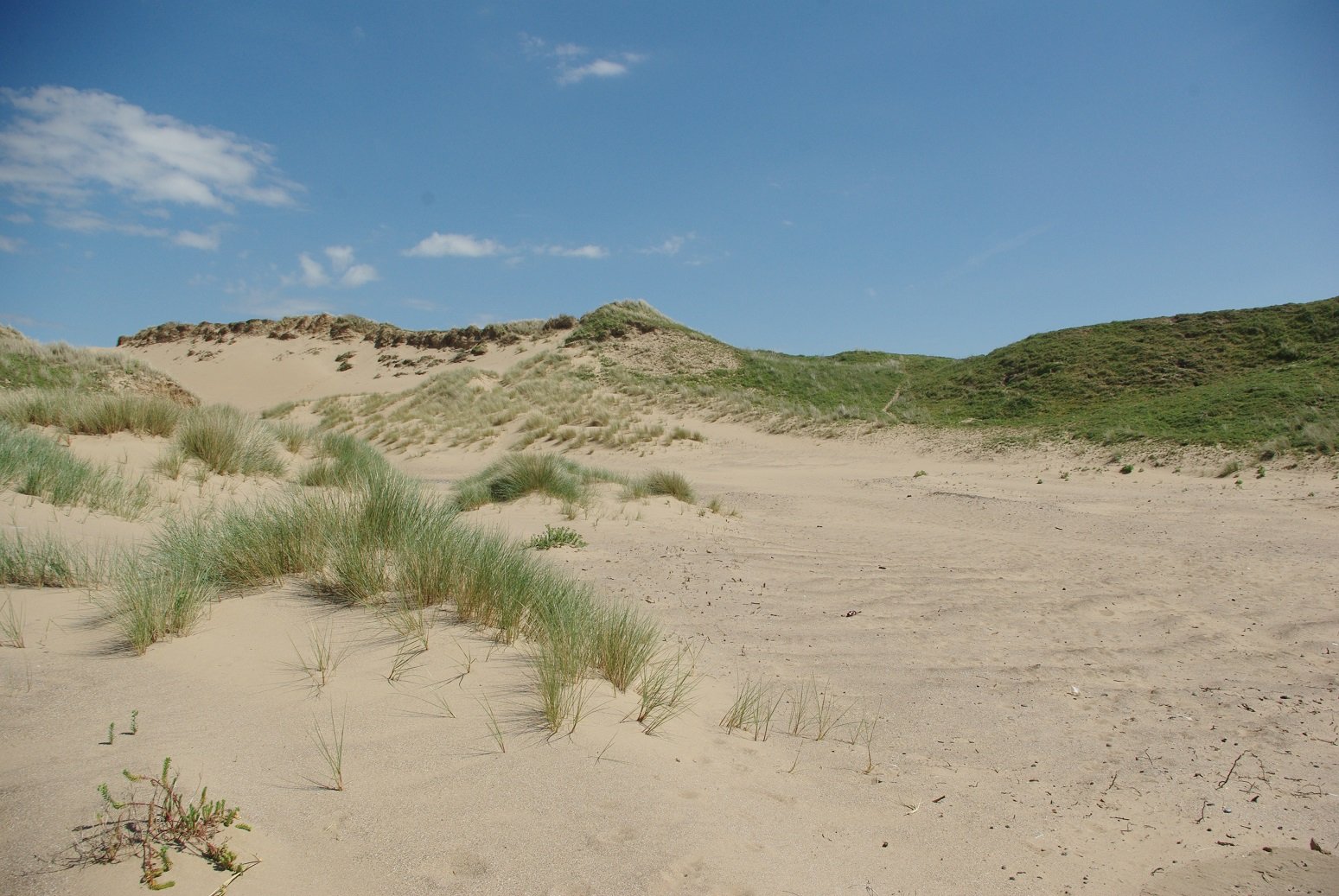
Sands of LIFE is a major conservation project to revitalise sand dunes across Wales which runs until December 2022. It will recreate natural movement in the dunes and rejuvenate habitats which are home to some of our rarest wildlife. Sand dunes are wild, iconic landscapes. They are biodiversity hotspots where carpets of orchids still survive alongside song birds, butterflies, and a wide array of endangered insects.

The £4 million project, led by Natural Resources Wales (NRW), will restore over 2400 hectares of sand dunes, across four Special Areas of Conservation, on 10 separate Welsh sites:

Anglesey & Menai Strait -Tywyn Aberffraw ; Newborough Warren; Morfa Dinlle

Meirionyddshire- Morfa Harlech; Morfa Dyffryn

Carmarthen Bay- Laugharne - Pendine Burrows; Pembrey Coast; Whiteford Burrows

Bridgend- Kenfig; Merthyr Mawr

Find out more on the NRW website

Life Dee River

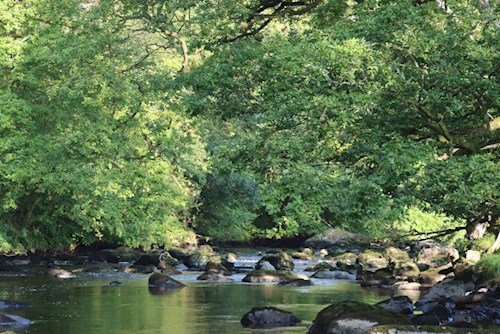
LIFE Dee River is a £6.8m project to transform the River Dee and its catchment by restoring the river and its surroundings back to their natural state. This will bring many benefits to the environment, most notably improving the numbers of salmon, lamprey and freshwater pearl mussels to help them become more sustainable in future.The Dee is the largest river in North Wales with a catchment area of more than 1,800 km2. It is one of the most highly regulated rivers in Europe, and along with Llyn Tegid it has been designated as a Special Area of Conservation (SAC). Afon Tryweryn- tributary of the River Dee © NRW

Local Nature Partnerships in Wales

Local Nature Partnerships (LNPs) are an integral element in addressing the nature crisis in Wales and an LNP coordinator is in place in all parts of Wales. LNPs provide biodiversity advice; maximise funding opportunities and collaborations; empower community groups to take action; target community engagement activities by drawing on their skill sets and those of LNP partners. They are a crucial point of contact, alive to opportunities and a proactive voice for nature in your community. They complement and reinforce national nature recovery efforts, providing local context and operating at geographical scales that are meaningful to local communities.

In 2019, the LNP network received a capacity boost through Welsh Government ENRaW funds which resulted in the setup of the LNP Cymru project dedicated to facilitating a nature recovery network in Wales. This will help to reverse nature declines, engage people and communities, businesses and decision-makers in both practical action and strategic planning for a healthy, resilient and nature-rich Wales. The project has gone from strength to strength and you can read more on the LNP Cymru website.

Restoring active blanket bog in the Berwyn and Migneint Special Areas of Conservation in Wales

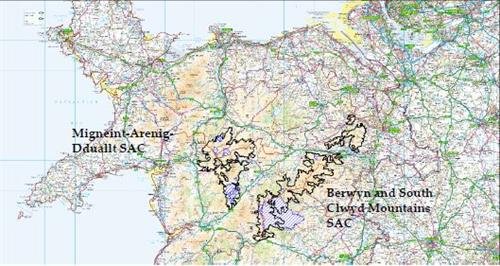
The Berwyn and South Clwyd Mountains and Migneint-Arenig-Dduallt SACs contain the two largest areas of blanket bog in Wales.

Although large areas of blanket bog still occur in Wales, the majority have been seriously degraded through afforestation, encroachment by alien species (such as Rhododendron Rhododendron ponticum and Sitka spruce Picea sitchensis), over grazing, drainage, and either deliberate or accidental burning. During the 5 years of the LIFE Blanket Bog in Wales project, significant and sustained improvement in the condition of blanket bogs in key areas of two SACs in North Wales was achieved.