Skip to content
News

News

Terrestrial and Freshwater Species in Peril in Wales: Species in Peril report

November 28, 2025
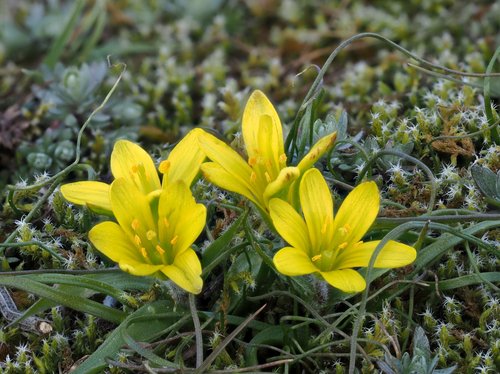
Radnor Lily NRW website

Terrestrial and Freshwater Species in Peril in Wales: Species in Peril report

The ‘Species in Peril’ report makes Wales the first country in the UK to identify its rarest species based on how geographically limited they are, rather than using traditional assessment methods.

Since the millennium, eleven species have already become extinct in Wales, including the Turtle Dove and Belted Beauty moth. The new report identifies species that have declined to near extinction, including the Arctic-Alpine Pea Mussel, Woolly Feather-moss and Eyed Chestnut Wrinkle-lichen.

NRW’s report highlights that almost half of the 2,955 identified species in Wales are restricted to single locations, underlining the need for urgent action to halt and reverse the decline in biodiversity, and to build the resilience of our ecosystems.

The report also finds that many of the species in peril can be better protected through modest and cost-effective steps.

Wales holds a unique responsibility for 56 species, that are found nowhere else in the UK. This makes the work internationally significant for biodiversity conservation.

The report categorises each species by why it is considered to be in peril - whether through decline, natural rarity, under-recording, being at the edge of its range, or being a species that has recently spread into Wales. The report then assesses each species against 17 key threats including habitat loss and climate change.

NRW is already taking proactive steps to reverse biodiversity decline through Natur am Byth, Wales’ flagship Species Recovery programme. This partnership brings together nine environmental charities with NRW to deliver the country’s largest natural heritage and outreach initiative, focused on saving species from extinction.

Alongside this, NRW is improving and connecting habitats across Wales through the Welsh Government-funded Nature Networks Programme. This £26.6m programme tackles the nature emergency by boosting biodiversity, improving the condition of protected sites, and strengthening the resilience and connectivity of habitats and species. The report highlights the importance of protected sites for species with 75% (2,222 species) occurring on SSSIs, and 47% (1,402 species) restricted to SSSIs and 35% (1,047 species) occurring on National Nature Reserves (NNRs), and 12% (353) restricted to NNRs.

The findings of the report will inform how Natural Resources Wales manages Special Sites of Scientific Interest and contribute to Wales' State of Natural Resources Report. The report findings have been shared with NRW’s on-the-ground conservation officers to help inform their work.

The Species in Peril approach could serve as a template for nations worldwide, demonstrating how to identify threatened vulnerable species that traditional assessments might miss and coordinate conservation action at a national level.

Read the Species in Peril report.

Text sourced from NRW

Radnor Lily © Pat O'Reilly
Helping hedgehogs in our towns & cities: a free guide

March 14, 2025

hedgehog

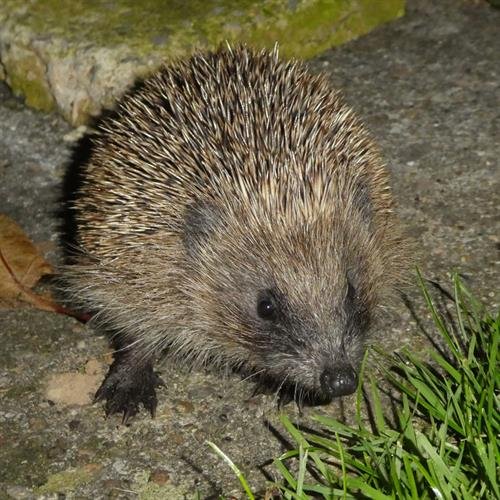
The Peoples Trust for Endangered Species (PTES) have produced a useful new guide for ecologists, land managers and consultants who are looking for advice on how to better manage greenspaces to support local hedgehog populations; this includes any greenspaces from parks, recreational grounds and golf clubs, to churchyards, allotments and school grounds.

Hedgehog © David Cooper / PTES

Wales Threatened Bee Report

March 14, 2025

Bumble bee

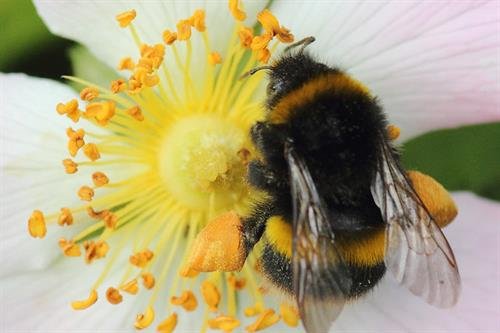
Buglife Cymru have launched their Wales Threatened Bee Report, the first report of its kind to examine the health of our most threatened wild bees in Wales.

The report highlights some of Wales’ rarest and most threatened wild bees and the positive things we can do to help these species, ultimately ensuring they

do not go extinct in Wales. The report has found that seven of our bees have gone extinct in Wales, and a further five – such as the Long-fringed mini-mining bee

(Andrena niveata) - are on the brink of extinction. Most of the wild bees species assessed by the report have suffered significant declines, including the Shrill carder bee

(Bombus sylvarum) whose core populations are now confined to South Wales, raising concerns about the future prospects of these species.

Image Buglife

The State of Mammals in Wales

March 14, 2025

hedgehog

The status of the 49 mammal species found in Wales was last comprehensively assessed in 1995. Published in October 2020, The State of Mammals in Wales summarises our current knowledge, reporting population sizes, geographical ranges, trends and, for native species, their Regional Red List status according to International Union for the Conservation of Nature (IUCN) standards.Beaver and wild boar were excluded from the assessment owing to uncertainty about their status in Wales. Most species had either increasing (26%) or stable (43%) ranges. All of the non-native species recently introduced to Wales have increased their geographical range. All naturalised species – that is, all those that have arrived since the formation of the English Channel but before the end of the 12th century – also have increased or stable ranges, with the exception of the black rat, which is now possibly extinct. The deer and carnivore groups include the most species with increasing ranges; indeed, all deer species in Wales are now found over larger areas than they were 20 years ago. The rodents, shrews, brown hare and hedgehog have largely stable ranges. The range trends for harvest mice and for most bats are unknown, because of radical changes in survey methodology over time, and, for many species, a general lack of monitoring information.

There are currently many opportunities for the conservation of mammals in Wales. The country remained a stronghold for polecats when they all but disappeared from the rest of the UK; current efforts to reinforce pine marten populations have been extremely successful; and Anglesey retains a key area for red squirrels. There are also significant populations of greater and lesser horseshoe bats, with evidence of an increasing northward spread, possibly reflecting changing climatic conditions. However, wildlife in Wales also faces challenges from the needs of expanding human populations, requirements for agriculture and forestry, and the presence of invasive non-native species. Through a series of case studies, The State of Mammals in Wales places the assessments of conservation status in context.

Text sourced from State of Mammals Report

A Wales Action Plan for the Recovery of Curlew

March 14, 2025

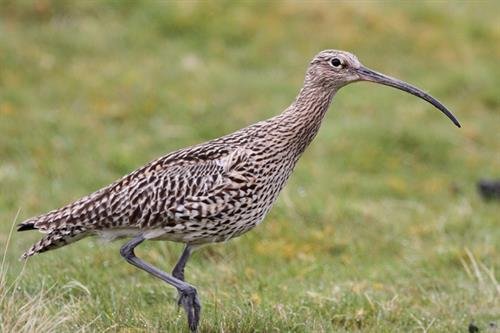
The Conservation Partnership | Curlew Wales includes details of new 'Important Curlew Areas' that will provide a focus for future conservation activities. This Wales Action Plan for the Recovery of Curlew was prepared by Gylfinir Cymru / Curlew Wales at the recommendation of Welsh Government to promote the conservation of Eurasian curlew in Wales. The curlew is in urgent need of coordinated UK and Wales conservation action and is a Red‐listed Bird of Conservation Concern in Wales.

Curlew

Curlew © BTO

New multi-million-pound projects to conserve Welsh rivers and bogs

March 14, 2025

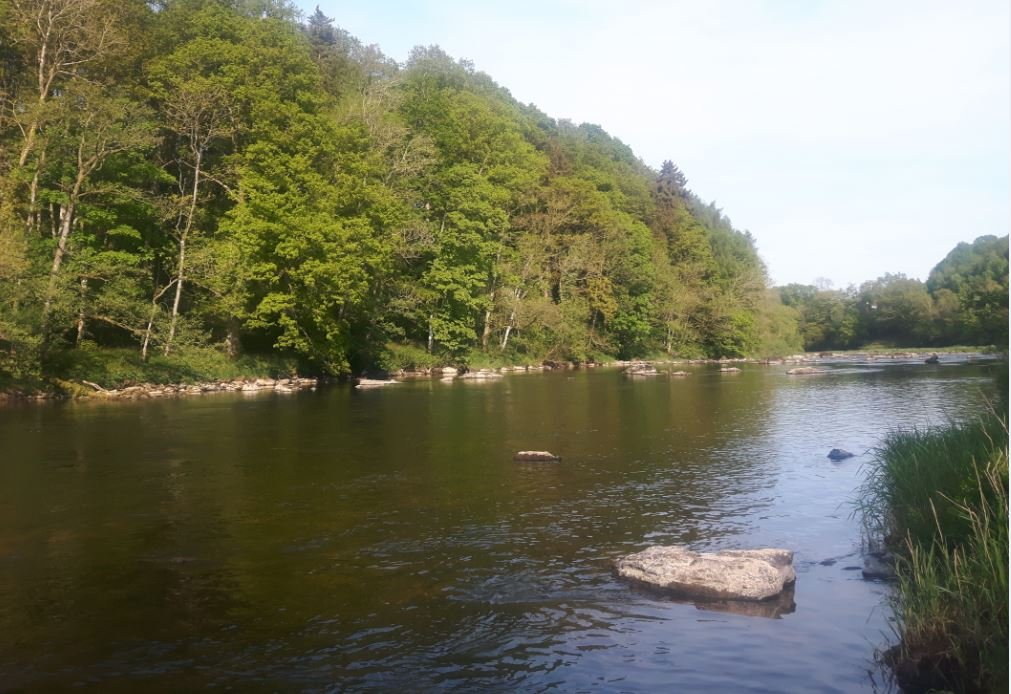
River Wye Builth web

Two major projects have been given the green light to protect, enhance and help restore nature and the environment in Wales – great news to help tackle the Nature Emergency.

These projects, supported through the EU’s LIFE Programme and match funded by the Welsh Government, will ensure that the £13.8 million cash injection will breathe new life into urgent conservation challenges over the next five years.

More than nine million pounds will be invested into bringing four Welsh rivers into good condition – the Teifi, Cleddau, Tywi and Usk. An estimated 500km of river will be improved.

Just over £4.5 million will conserve quaking bogs – so called because of the way this peatland habitat literally shakes under your feet! The largest of the last remaining quaking bogs in Wales is Crymlyn Bog on the outskirts of Swansea.

Four Rivers for LIFE will:

  • Improve river habitats and conditions for migratory fish – most notably Atlantic salmon, sea and river lamprey, bullhead and shad. Otters and freshwater pearl mussels are set to benefit too;
  • Re-profile sections of canalised rivers so that they meander once again – great news for wildlife. But also for people, as slowing the flow can reduce flood risk downstream;
  • Work with farmers to protect river corridors and reduce sediments and nutrients from entering rivers. This will have the added benefit of safeguarding important drinking water supplies.

LIFE Quaking Bog will restore seven Special Areas of Conservation, four of which are National Nature Reserves, by:

  • Getting the water level right for quaking bogs’ specialised plantlife and wildlife;
  • Controlling scrub and non-native invasive species that can smother the natural habitat;
  • Reintroducing traditional grazing;
  • Improving access so that more people can experience and enjoy nature at its best.

Four Rivers for LIFE will be run by NRW in partnership with the Brecon Beacons National Park Authority, River Restoration Trust, Coleg Sir Gâr and the Woodland Trust, with additional financial support from Dŵr Cymru/Welsh Water.

NRW’s LIFE Quaking Bogs partners are the National Trust and the Snowdonia and Pembrokeshire Coast National Park Authorities.

Text courtesy of NRW

Image © Sean McHugh

Nature and Us

March 14, 2025

The Wales Biodiversity Partnership is proud to share the updated Nature and Us website. www.natureandus.wales hosts the outcomes of the Nature and Us programme: a year-long national conversation that was held to develop a vision for the natural environment in 2050. The conversation was facilitated by NRW and involved many organisations and as many different people as possible from across Wales, to create the shared vision. It describes a future Wales where society and nature thrive together, and the steps we need to take to get there. On the website you can find the Nature and Us vision for 2050, and the underlying data and reports on all the involvement and conversations that have helped shape the vision. A new site area called REvision also presents all the creative conversations held as part of the programme and the creative responses to the Nature and Us vision. It’s a great resource to inspire your own conversations about the future of our natural environment and encourage action for a future where society and nature thrive together. Please have a browse and explore the site to learn more about Nature and Us. You can also email natureandus@naturalresources.wales to keep informed about future developments in the programme.

Major Welsh peatland restoration project comes to a triumphant end

March 13, 2025

Fresh water

After six and half years, the Welsh Raised Bogs LIFE Project has reached a triumphant conclusion after restoring hundreds of hectares of peatland at six raised bogs in across the nation.
Raised bogs are one of Wales’ rarest and most important habitats and, because of their environmental interest and importance, they are designated Special Areas of Conservation
The £4.5m project restored raised bogs at Cors Caron near Tregaron; Cors Fochno near Borth; Cors Goch near Trawsfynydd; Rhos Goch near Builth Wells, Esgyrn Bottom & Cernydd Carmel.

The project has achieved a great deal, including:
• Clearing the equivalent of 736 Principality Stadium pitches of invasive plants. This includes Molinia grass, birch, willow and rhododendron.
• Installing 150 peat dams on the bogs to retain water.
• Installing 114km of water retaining peat bunds on raised bogs; the same distance as driving from Cardiff to Carmarthen.

Read more here

Text sourced from NRW.
Cors Caron © NRW

State of Wales Rainforests Report 2024

March 13, 2025

Temperate rainforests occur on less than 1% of the planet’s surface, which makes them an irreplaceable part of Welsh cultural and natural heritage and an international priority for conservation. High moisture levels, stable temperatures and clean air provide the perfect conditions for the dazzling diversity of lichens, mosses and liverworts. Rainforest habitats are especially important for rare woodland specialist bats such as the Barbastelle bat and Lesser Horseshoe bat and woodland bird specialist species such as Pied flycatcher, Wood warbler and Common redstart. Exact communities of species vary depending on tree cover, local geology, topography, microclimate and land use, meaning no two rainforests are the same.

The report published by the Alliance for Wales' Rainforests establishes an ecological baseline for rainforest condition in Wales. Through the analysis of existing biological datasets, the generation of new data, and the pooling of our collective expertise, we outline the actions required to restore Wales’ temperate rainforest and create a healthier, better connected and more resilient rainforest landscape.

Ceunant Cynfal National Nature Reserve (NRW)

The Alliance for Wales’ Rainforests
The Alliance for Wales' Rainforests (AWR) is a partnership of organisations dedicated to safeguarding these precious habitats. Through collaboration, the Alliance works to highlight the ecological, environmental, and cultural importance of Wales’ temperate rainforests and champion their positive management and recovery into the future.

Text based on AWR source

Ceunant Llennyrch National Nature Reserve © NRW

Perceptions of Eurasian Beavers Living Wild in Wales: Results of an Online Public Survey

March 13, 2025

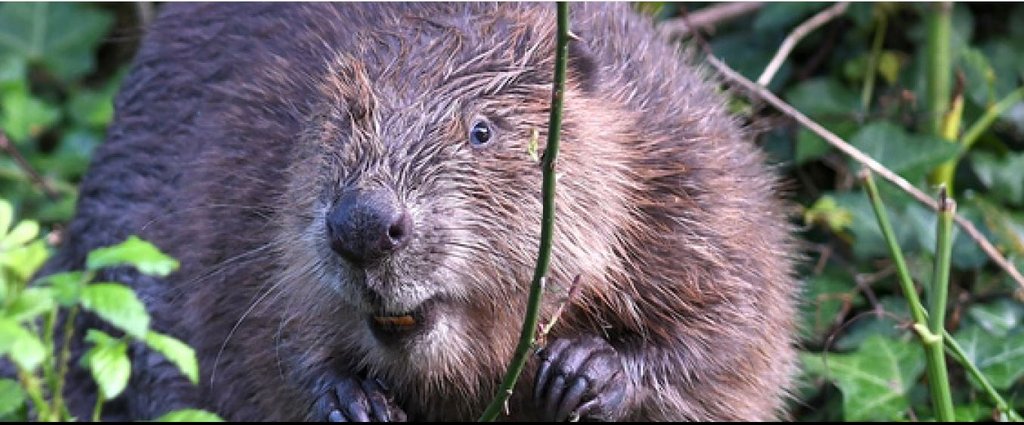
Beaver David Parkyn @Cornwall Wildlife Trust

Over 4300 participants took part in the public survey in response to the question of whether they supported or did not support beavers living wild in Wales.

An overwhelming majority of respondents - 88.70%, supported beavers living wild in Wales.

The top reasons given for support included (among others): improving biodiversity and wetland habitats; waterway management (e.g. flood alleviation); and a view of beavers as a native species.

The top reasons given for opposition included (among others): negative impacts on migratory fish; disturbance to current ecology; and negative impacts on river systems and flooding.
The research team were not tasked with making the decision whether beavers should or should not be living wild in Wales. They did however, offer 3 reflections based on the responses received.

  • Reflection 1: The results of this survey are consistent with those of similar previous surveys undertaken in other contexts throughout Great Britain
  • Reflection 2: There is observable polarisation in the perceptions here expressed. Treating the future of beavers in Wales as a binary ‘yes or no’ decision risks escalating existing social tensions
  • Reflection 3: Whether beavers will be present or absent in future, discussion will need to be sensitive and move beyond binary debate, providing opportunities for cross-party listening and dialogue.

You can read the report here

This study was commissioned by North Wales Wildlife Trust with funding received through the Welsh Government Rural Communities – Rural Development Programme 2014-2020, which is funded by the European Agricultural Fund for Rural Development and the Welsh Government. The project was undertaken by independent researchers from the University of Exeter; North Wales Wildlife Trust did not have oversight of the analysis.

Text modified from University of Exeter survey report
Beaver © David Parkyn / Cornwall Wildlife Trust